Comprehendit

Do you have students who can decode but fail to comprehend, or who comprehend at a surface level but do not make inferences or think critically?
Comprehendit has been built to change that by immersing students in the thinking required for deep comprehension. The writing-about-your-reading component has the additional benefit of dramatically lifting students’ writing.

This is based on decodable books, but books appropriate for older students on sophisticated themes, including a wide selection of non-fiction titles.
The books are now available digitally, but digital with a twist. As students read, they come to buttons. Press that button to hear the author speaking to the reader, guiding them through the thinking to comprehend, most especially building the skills to infer the meaning of unfamiliar vocabulary and to make inferences within and beyond the text.
This is followed for many titles by a heavily scaffolded writing assignment, requiring students to think about the text from another point of view. This is not a book review or summary. Students take on the role of a scientist making recommendations to government, write a legal submission, or a letter of complaint. They may be a cop writing an incident report, a reporter on the scene, or a lawyer presenting their client’s case to a judge.
Trials have shown how much students respond to this.
Comprehendit was trialled in an intermediate school over a seven-week period in Term 4, 2024

I used the programme with a group of students who were of average ability, but who struggled with deep comprehension and/or writing. They found the books motivating, and the writing guides helped guide their discussion and understanding of the texts. They particularly enjoyed planning their writing … The most measurable impact was the development of paragraphing skills alongside the ability to organise their thinking about the story.
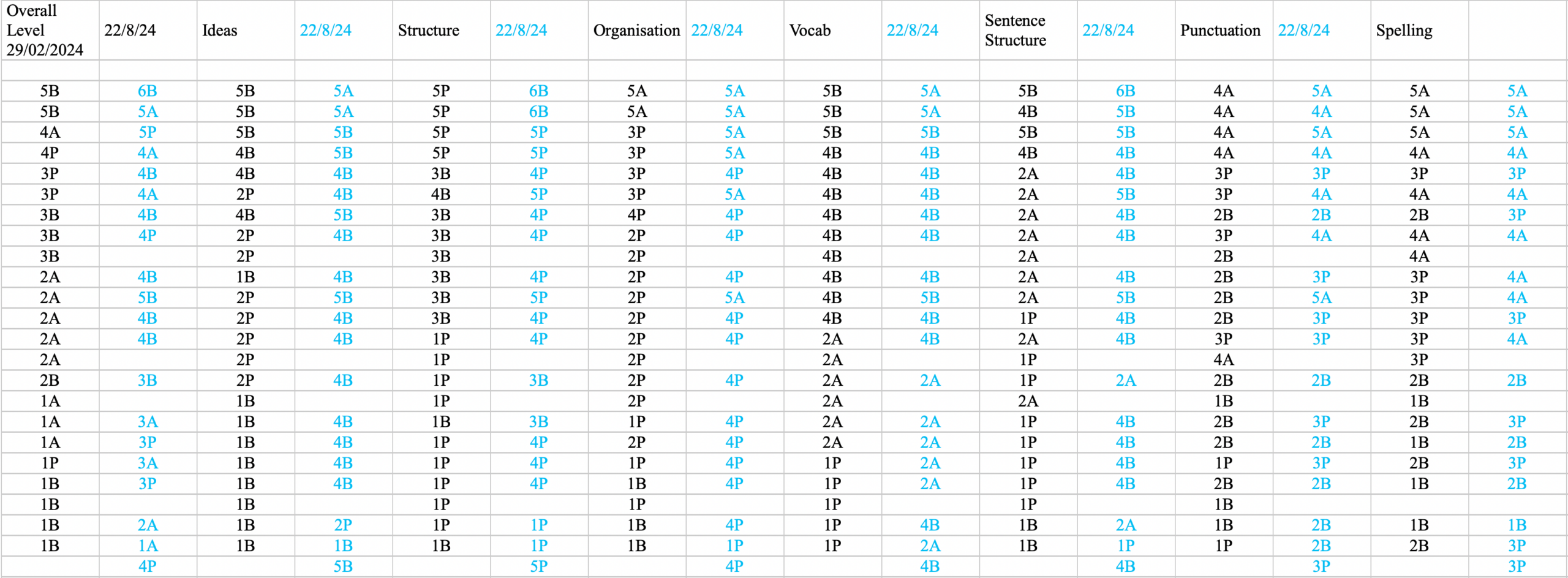
The results of a pre and post e-asTTle writing assessment:
– Half of all students gained 2 e-asTTle levels, (i.e. from 2b to 4b) some more, in that seven-week period.
– Three students with erratic attendance and one who is neurodiverse made no measurable progress.
– All others gained at least one e-asTTle level in seven weeks.
The programme is really easy to administer, and after the initial setting up for students it is easy for children to get access. These kids love it. They settle quickly to their work, and the level of engagement is very high. A big thumbs up from me and my class.

The results of our seven-week Comprehendit trial are shown in this table.